
2025-08-13
Sturgeon Moon 2025: What to Expect and How to Observe
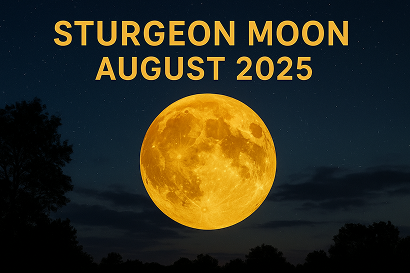
If you’ve ever paused on a warm summer evening to look up at a fat, golden moon, you know there’s something magical in the air. This August, get ready—because the Sturgeon Moon 2025 is poised to dazzle sky gazers across the United States with its beauty, rich stories, and a dash of celestial drama. Every full moon has a unique name, and August’s is the Sturgeon Moon. The tradition comes from Native American tribes, particularly around the Great Lakes. Why sturgeon? Because this was the season when these mighty fish, once plentiful and vital to many tribes, were most easily caught. The moon’s name is a nod to nature’s rhythms, echoing through generations and reminding us how closely our lives are tied to the cycles of the sky. But the Sturgeon Moon is more than just a name on the lunar calendar—it’s an invitation. Picture it: families and friends gathered outside, sharing stories and snacks as the moon lights up the night like an old friend returning for a summer visit. When should you look up? The Sturgeon Moon will reach its peak brightness the night of August 19, 2025, and here’s when you’ll want to step outside: Try to head outdoors just after sunset and watch the moon rise—it’ll look enormous as it peeks above the horizon, glowing gold or orange before climbing higher. [image:cba2aaef-8ec5-4c76-bfcd-9449a27c202b] The Sturgeon Moon carries a sense of abundance and marking of seasonal change. In centuries past, the August full moon signaled harvest time, a moment ripe with excitement and energy. Even now, many cultures celebrate with moon viewing parties, bringing together food, music, and moments of wonder. Think of the Sturgeon Moon as nature’s way of hitting pause, inviting us all to slow down and soak in a shared experience—all you need is a clear view of the night sky. You don’t have to be an expert to appreciate this lunar event! In 2025, the Sturgeon Moon happens when the moon is especially bright and appears larger than usual thanks to its orbital position. It’ll light up the landscape, casting soft shadows and making ordinary nights feel otherworldly. Want to see more details? Grab a basic telescope or a pair of binoculars. Even an old pair sitting in your closet can reveal the moon’s surface—craters, “seas,” and all. Bring along a few curious friends, some lawn chairs, and maybe a mug of hot cocoa or cold lemonade. [image:0fe3280b-04eb-4d89-8bab-5d2ae0029e4c] You’ll see the Sturgeon Moon from just about anywhere in the U.S., but darker, rural spots are unbeatable. Big Bend National Park (Texas), Acadia National Park (Maine), and Death Valley National Park (California) all offer incredible views (and star-studded skies for good measure). But don’t fret if you live in a city—just head for a park or anywhere with a clear view of the eastern horizon. Turn off bright lights if you can, which will help reveal more of the moon’s glow. August weather can be unpredictable—sometimes humid or cloudy, other times crisp and clear. Check your local forecast before heading out. A few essentials for a moon-watching night: Blanket or camping chair for comfort. Light jacket (even summer evenings can get chilly). Binoculars or a telescope. Your favorite moon-inspired snacks. A camera or smartphone—try your hand at night photography! There are some fantastic (free!) mobile apps that send you alerts for moonrise and tell you exactly where and when to look—try The Photographer’s Ephemeris for real-time tips. Online resources like NASA’s Moon Phase page are also packed with info. For a dreamy moon photo, set your camera to manual, use a tripod if you have one, and focus sharply on the moon’s surface. Try framing your shot to include trees, buildings, or even people to create a sense of place and scale. The Sturgeon Moon isn’t only a light show—it has a real impact on wildlife and the natural world. Nocturnal animals hunt differently under bright moonlight, and tides reach higher marks. Nature is tuned to the moon’s rhythm in ways both subtle and profound. Why not make a memory? Invite friends over, lay out a few blankets, and serve up “moon pies” or stargazing snacks. Bring along a guidebook or app to spark conversations as you watch the moon rise. These simple moments can foster wonder in everyone, from kids seeing the moon “up close” for the first time to adults rediscovering the thrill of looking up. Q: What’s so special about the Sturgeon Moon? Q: Where can I see it best? Q: Can I photograph it with my smartphone? Q: Are there any other sky events at the same time? Whether you’re a seasoned astronomer or just someone who loves a good night view, the Sturgeon Moon 2025 is your invitation to connect with the cosmos. Look up, slow down, and share the moment with the people around you. Who knows—maybe you’ll start a new tradition of your own.Sturgeon Moon 2025: An August Night to Remember
What’s the Sturgeon Moon, Anyway?
Mark Your Calendar: August 19, 2025
Why the Sturgeon Moon Matters
Astronomy: Not Just for the Pros
Where’s the Best Place to Watch?
Weather Tips and What to Bring
Don’t Miss the Show: Digital Tools & Photography Tips
More Than Just a Pretty Face: The Moon’s Pull on Earth
Share the Magic: Host a Moon Viewing Party
Frequently Asked Questions
It’s August’s full moon, steeped in tradition and famed for its brightness and timing at the peak of summer.
Anywhere with a clear view of the eastern sky—parks, beaches, and dark rural areas are especially good.
Absolutely! Use a tripod or something sturdy, turn off the flash, and tap your screen to focus on the moon.
Yes! Look for the Perseid meteor shower and, if you’re lucky, planets like Jupiter and Saturn shining near the moon.Closing Thoughts