
2025-08-07
What is Fibermaxxing? The Viral Wellness Trend Everyone is Talking About
In the ever-evolving world of wellness, a new trend is quickly rising to the top—and surprisingly, it's not based on some overpriced superfood or complicated supplement routine. It's called fibermaxxing, and yes, it’s exactly what it sounds like: intentionally increasing your daily fiber intake to improve digestion, control appetite, and support overall gut health.
If you've recently found yourself scrolling through social media and seeing people drinking psyllium husk water or showing off high-fiber meals, you're not alone. This trend is gaining momentum, and people are genuinely curious—does it actually work, or is it just another short-lived internet obsession?
Let’s explore what fibermaxxing is all about and whether it’s worth considering in your daily routine.
What is Fibermaxxing?
Fibermaxxing refers to the intentional effort to maximize fiber intake, often through a combination of whole foods and supplements. The goal is to improve digestive health, support weight management, and reduce cravings.
Supporters of fibermaxxing claim benefits such as:
-
Better digestion and regular bowel movements
-
Increased satiety (feeling full longer)
-
Blood sugar control
-
Lower cholesterol levels
-
Weight management without relying on harsh diets
Interestingly, many users are now calling fiber a “natural alternative” to weight-loss medications, such as Ozempic. While that’s a bold claim, there’s no doubt that fiber plays a crucial role in maintaining metabolic and digestive health.
Why is Fibermaxxing Trending Right Now?
Several factors have contributed to the rise of this trend, especially in 2025:
1. Social Media Influence
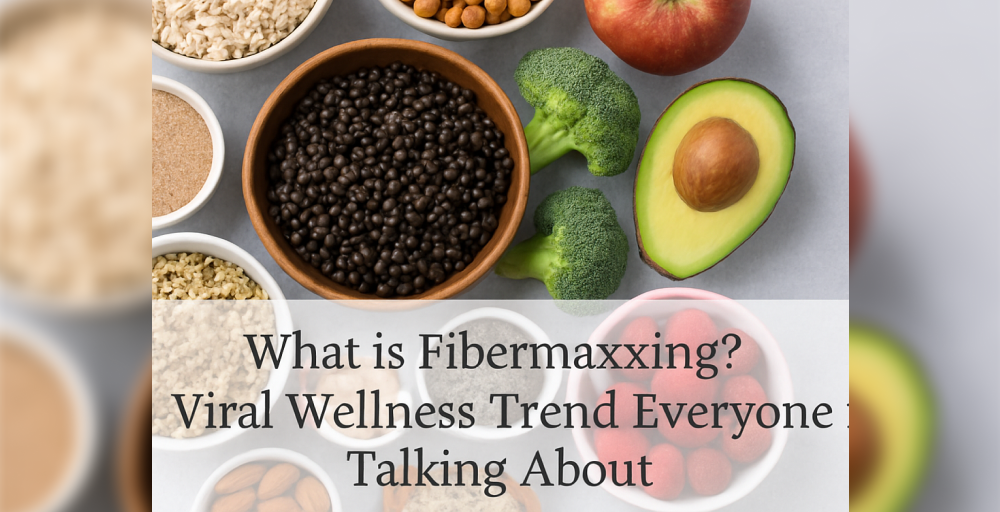
Platforms like TikTok and Instagram are flooded with health influencers documenting their "fibermaxxing journeys." These videos often show daily meals rich in oats, lentils, berries, and chia seeds, with claims of increased energy and better gut health.
2. Scientific Backing
While the trend itself is new, the science behind it is not. Dietitians and medical professionals have recommended high-fiber diets for decades. What’s new is the branding—fiber is finally getting the attention it deserves.
3. Cost and Accessibility
Compared to expensive supplements and wellness fads, fiber-rich foods are affordable and accessible. A bag of oats or beans costs very little and offers substantial health benefits. This makes the trend appealing to a wider audience.
How Much Fiber Do You Actually Need?
The recommended daily intake of fiber is:
-
25 grams for adult women
-
38 grams for adult men
Unfortunately, most people consume far less—often around 15 grams per day. That gap is what fibermaxxing aims to close.
Here are some common high-fiber foods to include in your daily diet:
-
Oats, quinoa, barley
-
Legumes like lentils, chickpeas, and black beans
-
Fruits such as apples, pears, raspberries
-
Vegetables like broccoli, carrots, and spinach
-
Seeds including chia, flax, and sunflower seeds
Some also include fiber supplements like psyllium husk or inulin to meet their daily goal, especially if they’re on the go or struggle with meal planning.
Is There a Downside to Fibermaxxing?
Yes, and it’s an important one to understand.
Jumping into a high-fiber diet too quickly can lead to discomfort. Common side effects include:
-
Bloating
-
Gas
-
Cramping
-
Constipation (if not paired with enough water)
Experts recommend gradually increasing fiber intake over a few weeks, and ensuring adequate hydration throughout the day. Otherwise, the very trend that’s supposed to help your gut may end up upsetting it.
Another caution: Relying too heavily on fiber supplements instead of real food can result in missing out on key vitamins, minerals, and antioxidants.
A Realistic Fibermaxxing Meal Plan (For Beginners)
To give you a better idea, here’s what a fiber-rich day could look like using simple, real foods:
Breakfast
-
Overnight oats with chia seeds, blueberries, and almond butter
(Approx. 10g fiber)
Morning Snack
-
Apple with a handful of almonds
(Approx. 6g fiber)
Lunch
-
Quinoa bowl with black beans, roasted veggies, and avocado
(Approx. 12g fiber)
Afternoon Snack
-
Roasted chickpeas or a banana with peanut butter
(Approx. 5g fiber)
Dinner
-
Lentil soup with brown rice and sautéed greens
(Approx. 10g fiber)
That totals around 40–45 grams of fiber, which is more than enough for most people—and it all comes from whole food sources.
Final Thoughts: Is Fibermaxxing Worth Trying?
In a world of ever-changing diet trends and overpriced health supplements, fibermaxxing stands out as a refreshingly simple and science-backed approach. It focuses on real food, long-term health, and a sustainable lifestyle.
That said, more isn’t always better. The key is balance—start slow, track how your body responds, and always aim for variety in your diet.
If fibermaxxing helps more people become aware of what they’re putting into their bodies, that’s a win. It’s not magic, and it’s certainly not a shortcut. But it’s a trend that makes sense, and that’s something we don’t see very often.